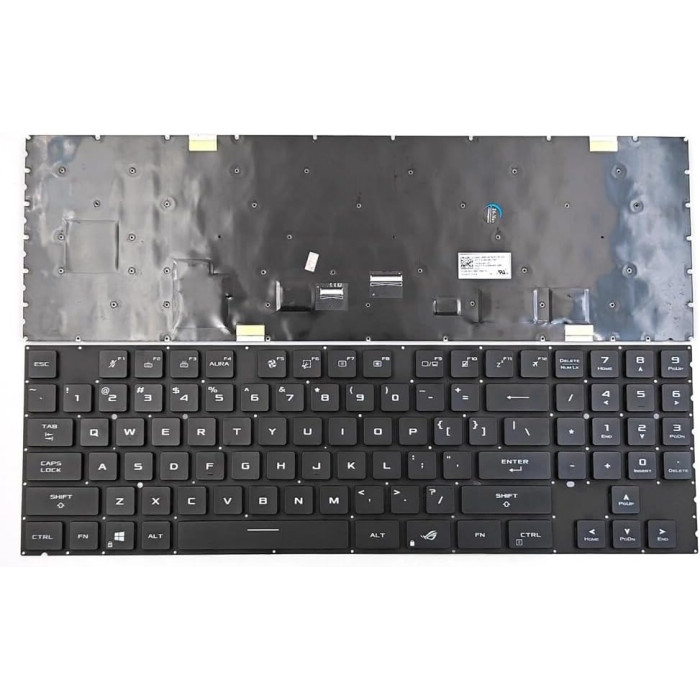
Asus ROG Zephyrus S17 GX703HR GX703HS GX703BE backlit US keyboard

SKU: LT-10028341 In Stock
US $30.00
Model GX703
Backlit backlit
Condition NEW
Location shenzhen,China

Replacement Keyboard – Backlight Type & Compatibility Guide

Asus ROG Zephyrus S17 GX703HR GX703HS GX703BE backlit US keyboard (Model: GX703) is a replacement keyboard designed for laptop systems. The backlight type and interface (pin count) are critical – keyboards come in non‑backlit, single‑color (white/blue/red), rainbow (color‑cycling), and true RGB (zone‑controlled or per‑key) variants. Using the wrong backlight type or pin configuration will result in non‑functional backlight or keyboard failure.

Technical Specifications:

  • Part Number: GX703
  • SKU: LT-10028341
  • Backlit: backlit
  • Product Status: Brand New
  • Warranty: 90‑day replacement

Compatible Systems (reference):

Asus ROG Zephyrus S17 GX703 Series

Asus ROG Zephyrus S17 GX703H Series

Asus ROG Zephyrus S17 GX703HM Series

Asus ROG Zephyrus S17 GX703HM-KF001R

Asus ROG Zephyrus S17 GX703HR Series

Asus ROG Zephyrus S17 GX703HR-KF051R

Asus ROG Zephyrus S17 GX703HS Series

Asus ROG Zephyrus S17 GX703HS-KF004R


Backlight Types – What You Need to Know:

  • Non‑backlit (Standard) – no LEDs; cheapest, lowest power.
  • Single‑color (White/Blue/Red) – all keys light up one color. Simple 2‑wire or 3‑wire connection.
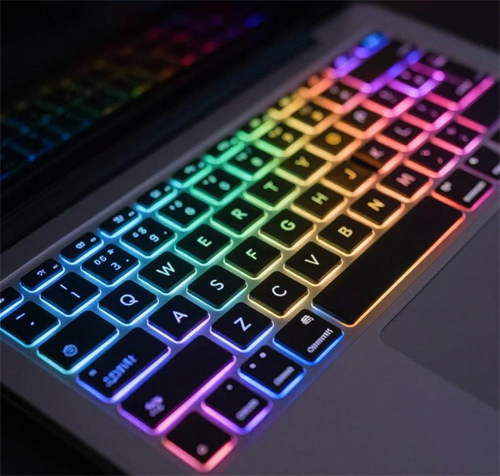
  • Rainbow (Color‑cycling) – automatically cycles through colors; no software control. Usually 4‑wire.
  • Full‑zone RGB – all keys change color together via software (e.g., Alienware, MSI). Requires 5‑pin or 6‑pin connector and dedicated controller.
  • 4‑zone RGB – keyboard divided into 4 zones, each independently controllable. Common in mid‑range gaming laptops.
  • Per‑key RGB – each key has its own LED, full programmability. Highest complexity, typically 6‑pin or more.

Pin Count & Interface – Why It Matters:

  • 2‑pin – basic power; no data communication. Used for non‑backlit or simple single‑color (constant on).
  • 3‑pin – adds a speed/control line (often for brightness adjustment via voltage).
  • 4‑pin – typically used for rainbow (color‑cycle) or basic RGB; includes data line for color commands.
  • 5‑pin / 6‑pin – required for addressable RGB (zone or per‑key), with separate clock and data lines.
  • Pinout differs by brand – even with the same pin count, the pin assignments (e.g., power, ground, data) are not universal. Always match the exact specification for your laptop model.

How to Identify Your Keyboard's Backlight & Pinout:

  • Physical inspection – remove the keyboard (if possible) and check the ribbon cable connector. Count the metal contacts (pins) on the cable.
  • Check the original keyboard's sticker – often lists the backlight type (e.g., “RGB”, “WLED”) and pin count.
  • Use software – if the keyboard is working, use the manufacturer's control software (e.g., Alienware Command Center, MSI Dragon Center) to see what backlight features are available.
  • Search online – look up your laptop model + “keyboard replacement” to see what others have used.
  • BIOS/UEFI – some laptops show backlight settings in the BIOS, which can hint at the supported type.

Important Compatibility Note:

  • A non‑backlit keyboard will work in a backlit‑capable laptop (backlight simply won't function).
  • A backlit keyboard installed in a non‑backlit laptop will not light up – the motherboard lacks the necessary circuitry.
  • RGB keyboards from different brands are not interchangeable – even if the connector looks the same, the control protocol (e.g., Razer Chroma, ASUS Aura) differs.
  • Pin count must match exactly – a 4‑pin keyboard cannot be used on a 5‑pin header without an adapter (rarely available).

Still not sure which keyboard fits? Send us a clear photo of your original keyboard's ribbon cable connector (showing the contacts) and the back side of the keyboard – we'll identify the correct backlight type and pin count for you.
⚠️ Keyboard Backlight & Interface Compatibility – Critical!
Using the wrong backlight type or pin count will cause the keyboard to malfunction or not light up at all.
  • Backlight type – non‑backlit, single‑color, rainbow, full‑zone RGB, 4‑zone RGB, per‑key RGB. Each requires different control circuitry.
  • Pin count – 2, 3, 4, 5, or 6 pins. Must match the motherboard's keyboard connector exactly.
  • Brand/protocol – even with the same pin count, different brands use proprietary communication (e.g., ASUS Aura, Razer Chroma, MSI Mystic Light).
Always check your original keyboard's ribbon cable and the motherboard header before ordering. When in doubt, send us a photo of both.
Keyboard quality testing

100% Tested – Keys, Backlight & Interface Verified

Every keyboard is individually tested for all key switches, backlight functionality (color accuracy, brightness, and zone control), and signal integrity across the connector. We verify that the keyboard communicates correctly with standard laptop controllers and that the backlight matches the specified type (non‑backlit, single‑color, RGB, etc.).

Key switch test Backlight color & brightness Pin/signal integrity

Laptop Keyboard Backlight & Interface Guide

Understand backlight types, pin counts, and how to choose the right replacement

1 Backlight Types – Comparison

Type Colors Control Typical Pin Count Usage
Non‑backlit None N/A 2‑pin Budget laptops
Single‑color White/Blue/Red On/Off (or brightness via voltage) 2‑pin / 3‑pin Business, basic laptops
Rainbow (Color‑cycling) Auto‑cycle all colors Automatic (no software) 4‑pin Mid‑range gaming
Full‑zone RGB Software‑controlled single color across all keys Dedicated software 5‑pin Gaming (Alienware, MSI)
4‑zone RGB 4 independent zones Dedicated software 5‑pin / 6‑pin Mid‑high gaming
Per‑key RGB Each key individually addressable Complex software 6‑pin+ Premium gaming (Razer, ASUS ROG)

2 Pin Count & What It Means

2‑3 Pin
Basic Power

Simple on/off or brightness via voltage. Used for non‑backlit and single‑color keyboards.

4‑5 Pin
Data Communication

Adds data lines for color control (rainbow) or zone RGB. Requires driver support.

6‑Pin+
Addressable RGB

Used for per‑key RGB, with separate clock and data lines. Highest complexity.

Important: Pin count alone is not enough – the pinout (which pin does what) and communication protocol vary by manufacturer. Always match the exact specification for your laptop model.


3 How to Identify Your Keyboard's Backlight & Interface

Physical Inspection

Remove the keyboard and look at the ribbon cable connector. Count the metal contacts – that's your pin count. Check the sticker for backlight type (e.g., “RGB”).

Software Detection

Use the laptop's built‑in keyboard backlight control (Fn+space, etc.) and observe the behavior – if it cycles colors, it's likely rainbow; if software controls zones, it's addressable RGB.

Online Research

Search your laptop model + “keyboard replacement” to find part numbers and specifications shared by other users or sellers.


4 How to Choose the Right Keyboard

Match the Backlight Type

If your laptop supports RGB, you can install a non‑backlit keyboard (no light) but not vice‑versa. For RGB, ensure the motherboard has the right controller.

Pin Count Must Match

Count the contacts on your original keyboard's ribbon cable. The replacement must have the same number – no adapters available.

Consider Compatibility Protocol

Even with the same pin count, different brands use different protocols. For RGB, check if the keyboard is designed for your specific laptop model.

Test Before Installation

If possible, connect the new keyboard without fully installing it to verify backlight and key function before final assembly.

Not sure which keyboard fits your laptop? Take a clear photo of the keyboard's back side and the ribbon cable connector (showing contacts) — we'll identify the backlight type, pin count, and compatibility for you. Contact us →